
While some are more straightforward and beginner-friendly than others, you shouldn’t encounter any difficulties with either of the top-rated exchanges. That said, many users believe that KuCoin is one of the simpler exchanges on the current market. I’m now looking for more hardware recs since that’sthe most important part of the mining process. In case you decide to buy Bitcoin instead and start trading, you can check out such cryptocurrency exchange platforms as Binance, Coinbase, KuCoin, and Kraken – they’re some of the most reliable ones. This will become easier to understand as I explain the step-by-step process of mining Bitcoins. Let’s talk about blocks and the technology involved in Bitcoin mining.
What other cryptocurrencies can you mine?

Bitcoin mining is the process of creating new bitcoins by solving extremely complicated math problems that verify transactions in the currency. When a bitcoin is successfully mined, How does Bitcoin mining work the miner receives a predetermined amount of bitcoin. While it is possible to make money mining cryptocurrency, it requires careful consideration, risk management, and research.
- In 2012, it was halved to 25 BTC, and halved again in 2016 to 12.5 BTC.
- Measure this against the current reward of almost $200,000, and it’s clear that you’ll make a profit.
- When the Bitcoin blockchain was first released, it was possible to mine it competitively on a personal computer.
- Mining therefore requires powerful and competitive computing resources, which is why the hardware requirements are such a crucial component of the activity.
- As mining has evolved, people have created more intricate setups and specialized equipment designed to maximize processing capability.
- In addition to hashing and listing each transaction individually, the miner also adds a custom transaction, in which they send themselves the block reward.
- The Bitcoin network can currently process between three and six transactions per second, with transactions logged in the blockchain about every 10 minutes.
Important Bitcoin Mining Terms
Bitcoin has a short investment history that is filled with very volatile prices. Whether it is a good investment depends on your financial profile, investing portfolio, risk tolerance, and investing goals. You should consider consulting with a financial professional before investing in cryptocurrency to ensure that it is right for your circumstances. For example, if you own a bitcoin, you can use your cryptocurrency wallet to send smaller portions of that bitcoin as payment for goods or services. Measure this against the current reward of almost $200,000, and it’s clear that you’ll make a profit. But mining is a very long and sometimes frustrating process, so you’ll likely fork out thousands of dollars on hardware and maintenance long before you manage to mine a single coin or block.
- The truth is Bitcoin miners are not incentivized to carry out this attack as it would ultimately devalue the asset.
- Or it can refer to the total amount of hashing done on a chain by all miners put together – also known as “Net Hash”.
- Bitcoin halving was created as a deflationary strategy to reduce the number of Bitcoins introduced into the market.
- Therefore, the difficulty of finding blocks also needs to cut in half, so that blocks can continue to be found every 10 minutes.
- All examples listed in this article are for informational purposes only.
Top Spot Exchanges
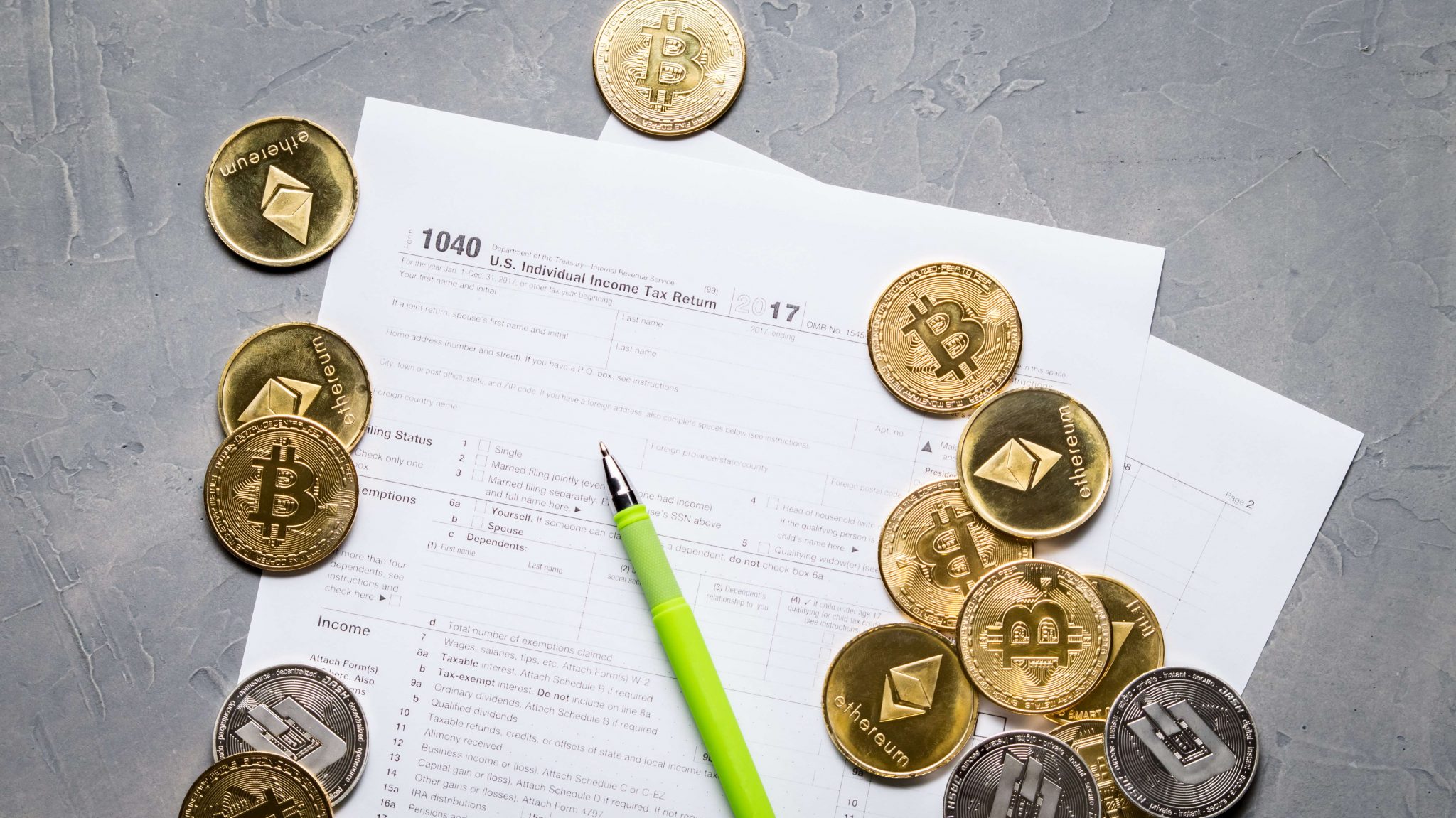
Revenue grew 67% year-over-year to $50 million, driven by a 9% sequential increase in Bitcoin production. The company’s gross mining margin expanded to 59%, up from 52% in Q and 41% in Q1 2023. The Bitcoin mining industry has undergone a significant transformation since the early days when anyone with dedicated software on their PC could participate. According to IRS guidelines issued in 2014, cryptocurrencies like Bitcoin are considered property, and are taxed as such. Also, if an employer compensates an employee using a cryptocurrency, the employee will get a W2 or 1099 tax form and may owe income taxes on their crypto trading.
What is a Bitcoin Mining Reward?

In other words, the miners dictate the transactions that should be added to the Bitcoin network, depending on if a particular block follows the hard-core steps listed on the Bitcoin protocol. In addition, mining hardware may need to be upgraded relatively often, as they tend to become obsolete rather quickly. New models will outperform old ones and if miners lack the budget to upgrade their machines, they will likely struggle to remain competitive. Central Processing Unit (CPU) mining involves using a computer’s CPU to perform the hash functions required by the PoW model. In Bitcoin’s early days, mining’s costs and barriers to entry were low and its difficulty could be handled by a regular CPU, so anyone could try to mine BTC and other cryptocurrencies. The competition between these blocks continues until the next block is mined on top of one of the competing blocks.

Red would be taking a big risk by sending any goods to Green before the transaction is confirmed. As the community could then decide to reject the dishonest chain and revert to the last honest block, a 51% attack probably offers a poor risk-reward ratio to miners. It is also widely-known that at least 50% of mining hardware is located within China. Something very unique about colocation miners is that the management company may not own any of the ASICs itself. Samson Mow of Blockstream and former CTO of BTCC mining pool explains. Economies of scale have thus led to the concentration of mining power into fewer hands than originally intended.
It’s the engine that drives the Bitcoin network, and understanding it is crucial for anyone interested in cryptocurrencies. The bitcoin reward is expected to be cut in half in April 2024 to 3.125 every 10 minutes. Before committing to investing your time and purchasing expensive equipment, read on to see whether mining is really for you. This growth is underpinned by Cipher’s aggressive expansion of its mining facilities.
Today, CPU mining is likely no longer a viable option, as all miners use specialized hardware. Another incentive for Bitcoin miners to participate in the process is transaction fees. In addition to rewards, miners also receive fees from any transactions contained in that block. When Bitcoin reaches its planned limit of 21 million (expected around 2140), miners will be rewarded with fees for processing transactions that network users will pay. These fees ensure that miners still have the incentive to mine and keep the blockchain network going.
